20 March 2026
What is a Load Cell? The "Core Sensing Element" of Precision Weighing
In various weighing instruments, the load
cell is undeniably the "core sensing element." It converts the
physical force of an object's weight into a measurable electrical signal,
acting as the critical bridge that connects physical mass to digital readings.
From small-scale applications like kitchen and express scales to large-scale
industrial truck scales and port weighbridges—and even dynamic weighing
segments in logistics sorting lines and food processing units—the load cell
provides the essential foundation.
From a functional perspective, a load
cell is a specific type of force transducer. Its core mechanism utilizes the
piezoresistive effect of strain gauges: when the strain gauge undergoes minute
deformation along with the sensor's elastic body under pressure, its resistance
value changes. This resistance fluctuation is converted into electrical signals
(such as voltage or current) through a circuit. After amplification and
processing, these signals are presented as accurate weight data on the display
terminal.
Common load cells are categorized by their structure into various types, including S-type, Cantilever (Shear Beam), Column, Spoke, and Rail Pad sensors. Different structures are optimized for specific scenarios: for instance, S-type sensors are ideal for bidirectional tension and compression measurement; Column sensors are predominantly used for high-tonnage static weighing; and Rail Pad sensors are specifically designed for railway or industrial track weighing. Though compact in size, the load cell is truly the "heart" of any precision weighing system.
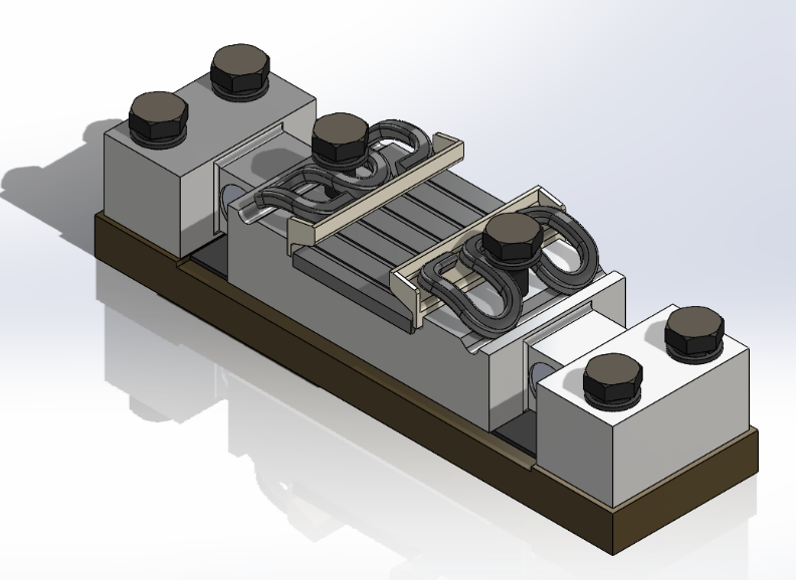

Railway
Weighing