20 March 2026
Daily Maintenance and Troubleshooting Guide for Load Cells
As precision electronic components, proper daily maintenance of load cells significantly extends their service life. Timely troubleshooting is essential to prevent weighing errors caused by sensor issues.
I. Three Core Pillars of Daily Maintenance
1 Even with waterproof and anti-corrosion ratings, avoid prolonged immersion, direct sunlight, or contact with corrosive media. For outdoor use, install a protective cover (shield) to prevent dust and moisture ingress.
2 Avoid impacts or dropping objects onto the weighing equipment. Place heavy loads gently to prevent shock loading, which can cause permanent damage to the spring element and strain gauges.
3Inspect mounting bolts monthly for looseness and check terminals for oxidation or poor contact. Regularly wipe the surface with a dry cloth to remove dust and oil, keeping the sensor clean.
II. Common Failures and Troubleshooting Procedures
1. Readings are drifting or unstable: First, inspect terminals for moisture or oxidation; re-tighten and apply moisture-proofing. Next, check for Electromagnetic Interference (EMI) from nearby inverters or high-power motors. Isolate the source or enhance shielding.
2. Readings are consistently high or low: Check for mechanical interference or debris causing "binding." In multi-sensor systems, ensure even load distribution across all points and perform a system re-calibration.
3. No weight data displayed: Verify the power supply and inspect cables for breaks or loose connections. If the electrical path is intact, the strain gauges are likely damaged. Replace the sensor and re-calibrate.
4. Accuracy error exceeds tolerance: Perform a full re-calibration. If errors persist, inspect the spring element for permanent (plastic) deformation or gauge debonding. Repair or replace as necessary.
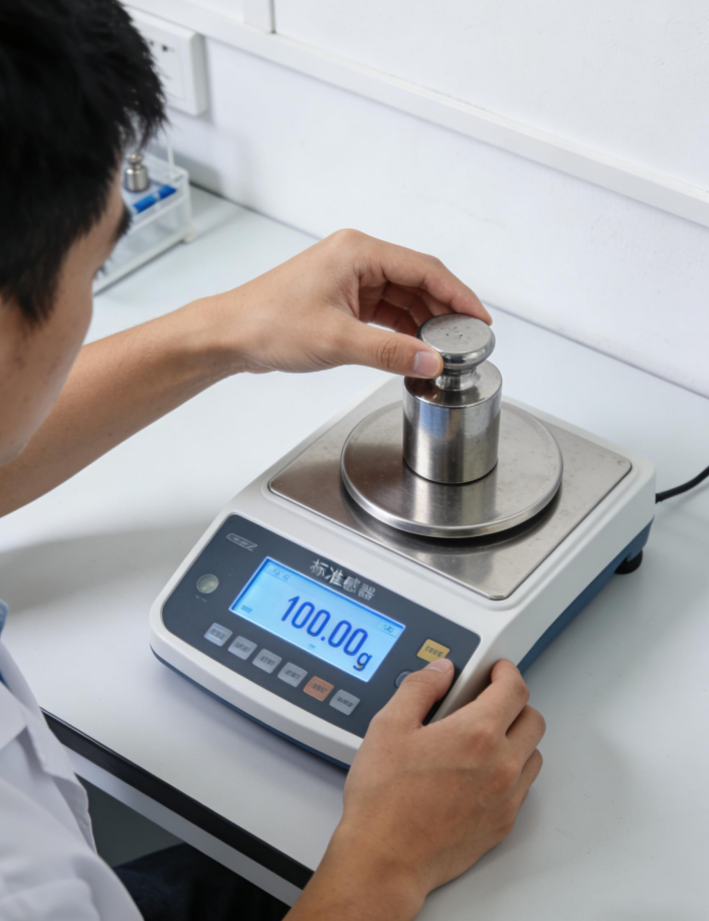
Regular Calibration